Business, energy, technology, markets and global industry news from Business News Today

PharmaDeviceNews | Pharma and Medical Device Industry News

Features & Analysis

The liver was the easy organ. Can in-vivo gene editing reach the rest of the human body?

Ex-vivo CRISPR edits cells outside the body before reinfusion. In-vivo editing sends the editing machinery directly into a patient, potentially making treatment simpler but far harder to control.

Read More
Features & Analysis

Why neoantigen cancer vaccines are not conventional vaccines and cannot be mass-produced the same way

Personalized neoantigen vaccines turn mutations from an individual patient’s tumor into a custom immunotherapy, requiring sequencing, computational prediction and manufacturing to occur within the treatment window.

Read More
Features & Analysis

The first PROTAC is approved. What does that actually prove about targeted protein degradation?

Targeted protein degraders do not simply occupy a disease protein and block its activity. They recruit the cell’s disposal machinery to remove it, potentially opening targets conventional drugs cannot reach.

Read More
Features & Analysis

Should people without diabetes wear continuous glucose monitors? What the evidence actually shows

FDA-cleared OTC glucose sensors have opened continuous monitoring to people who do not use insulin, but evidence for weight loss and broad metabolic improvement in people without diabetes remains limited.

Read More
Features & Analysis

Can a blood test find cancer relapse before a scan? What ctDNA MRD can and cannot tell clinicians

Circulating tumor DNA can detect molecular traces of residual cancer after apparently curative treatment, but proving that acting on an earlier signal improves survival is the harder challenge.

Read More
Features & Analysis

Why oral peptide medicines still fail even after GLP-1 drugs broke the injection barrier

Oral semaglutide demonstrated that a peptide can become a successful tablet, but extremely low and variable gastrointestinal absorption still makes most peptides poor candidates for oral delivery.

Read More
Features & Analysis

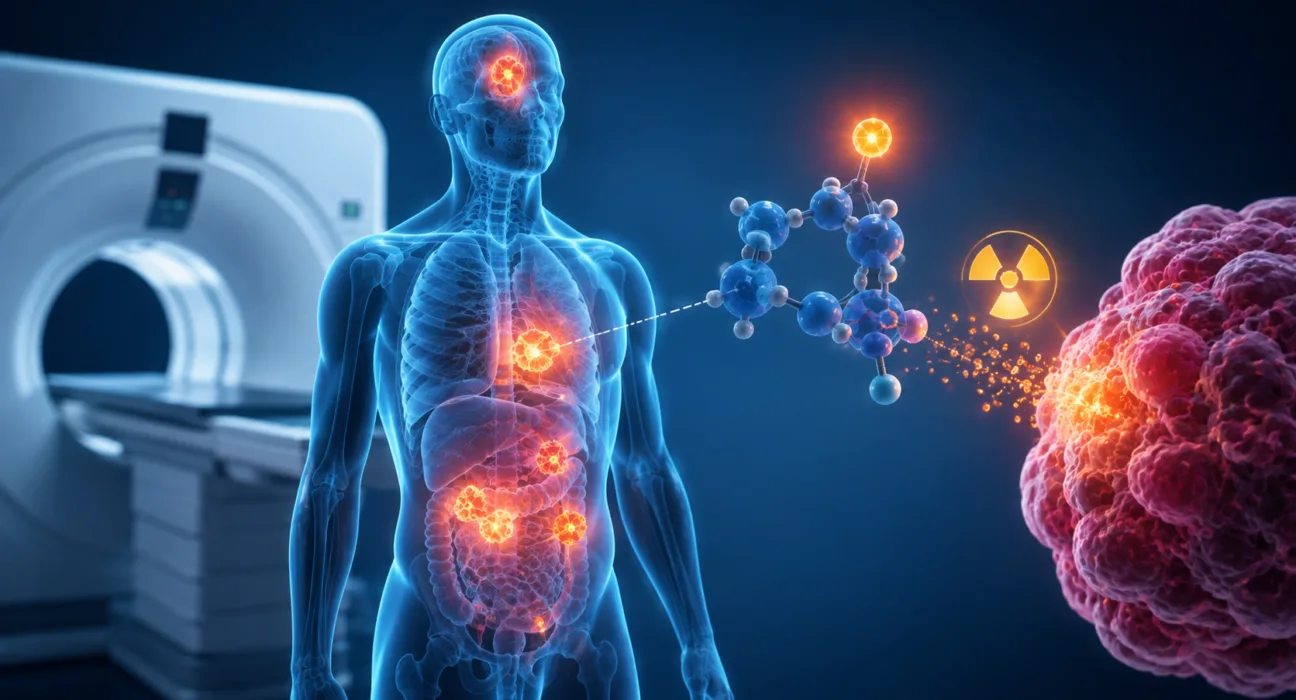
Lutetium, actinium and the next isotope race: inside radiopharmaceutical cancer therapy

Radiotheranostics pairs molecular imaging with targeted radioactive drugs, allowing clinicians to confirm whether a tumor carries the therapeutic target before delivering radiation systemically.

Read More
Features & Analysis

Why the next generation of antibody-drug conjugates is moving beyond simply finding new targets

Antibody-drug conjugates combine targeting antibodies with powerful cytotoxic payloads, but clinical performance increasingly depends on linker chemistry, drug-to-antibody ratio, payload properties and how the medicine behaves inside heterogeneous tumors.

Read More
Medical Devices & Diagnostics

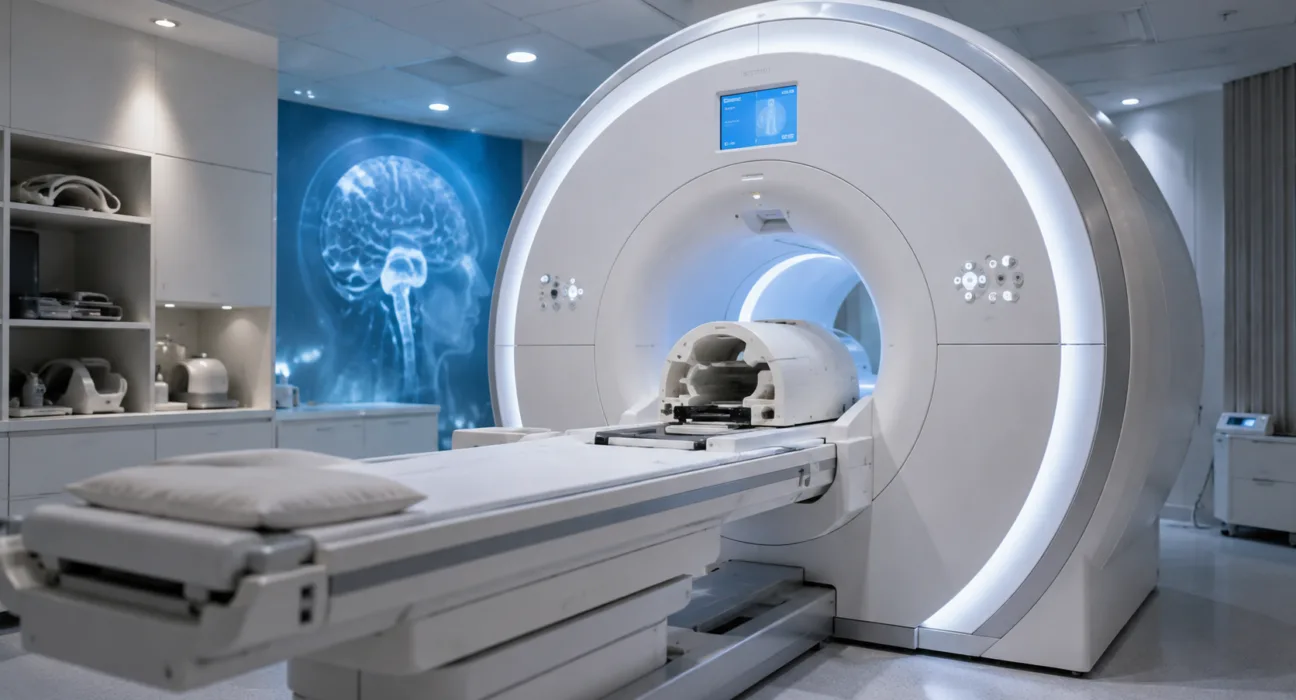
Cubresa enters clinical neuroimaging as BrainPET receives first US 510(k) clearance.

FDA cleared Cubresa BrainPET as a Class II PET-MR imaging system, allowing the removable brain-dedicated PET insert to be used with compatible Siemens infrastructure.

Read More
Pharma & Biotech

Oncolytics says FDA opens a possible accelerated-approval route for pelareorep in RAS-mutant colorectal cancer

FDA written feedback supports a potential pivotal expansion of REO 033 using response rate and duration as an accelerated-approval strategy, but Oncolytics must first generate supportive randomized Part A data.

Read More